Fall is more than a change in season. It is a shift in how people shop.
As routines return, calendars fill up and the holidays approach, shoppers move quickly between everyday needs and seasonal occasions. One trip may include school-lunch essentials, ingredients for a weeknight dinner, game-day snacks and early holiday purchases. Shopping lists grow, priorities compete and purchase decisions increasingly happen in the moment.
For brands, this creates a valuable opportunity: influence shoppers when they are physically closest to purchase.
In-store media places brands directly within the shopping experience, connecting seasonal inspiration with real-time action. It helps advertisers stay visible as shoppers navigate the store, discover products, and make the final decisions that shape their baskets.
Fall Brings More Missions to Every Trip
Fall shopping is rarely driven by a single need. It reflects a series of overlapping missions that increasingly land in the same trip and the same basket. For advertisers, this creates an opportunity to help shoppers move from a broad occasion to a complete basket by showing up with relevant, well-placed messaging at the moment consideration turns into a purchase decision.
Shoppers are preparing for:
- Back-to-school and back-to-routine needs
- Weeknight meals and convenient lunches
- Football watch parties and tailgating
- Halloween celebrations and entertaining
- Seasonal baking and comfort-food occasions
- Cold and flu season
- Thanksgiving and early holiday gatherings
These missions create more opportunities for discovery throughout the store. A shopper may enter with a specific list, but the environment around them can still influence which brands, flavors, formats and complementary products make it into the cart. That is where proximity becomes powerful.
Industry observation reinforces this shift: Kantar's Seasonal Retail Pulse, Halloween and Fall 2025, notes that retailers are using immersive displays, themed zones and multi-category storytelling to make fall shopping trips more engaging and easier to discover, turning routine visits into moments of exploration.
The Closer the Message, the Stronger the Influence
Retail media can reach shoppers across the entire path to purchase, but in-store media has a distinct advantage: it appears where consideration becomes action.
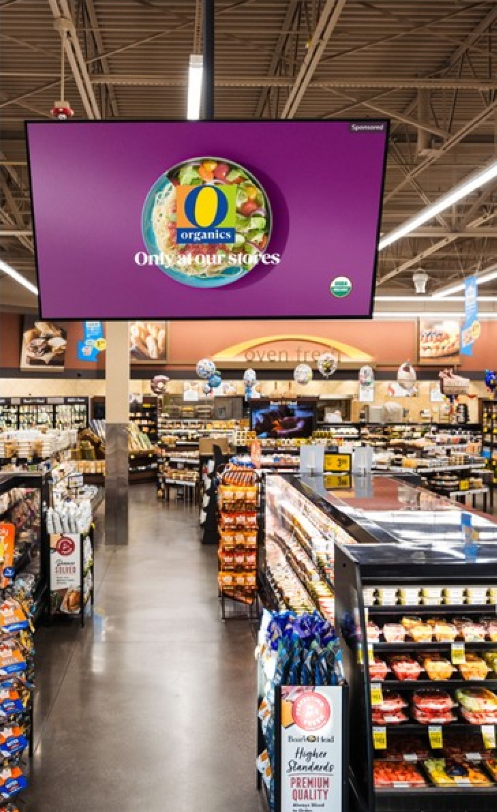
Digital screens, in-store audio and physical signage can reinforce a brand’s message while shoppers are actively evaluating products. Instead of asking shoppers to remember an ad they encountered earlier, in-store media brings that message into the moment when the product is accessible, and the purchase can happen immediately.
|
This proximity can help brands:
- Build awareness during high-traffic seasonal periods
- Make products easier to notice and find
- Reinforce promotions and offers near the shelf
- Encourage complementary or unplanned purchases
- Introduce new products within a relevant shopping context
- Stay visible during crowded, competitive shopping occasions
|
For fall campaigns, that connection between message and merchandise is especially important. Shoppers may know the occasion they are preparing for without knowing every item they need. A relevant message can help turn a broad mission, such as “game day” or “family dinner”, into a more complete basket.
The National Pork Board and The Collective developed a full-funnel media strategy centered on in-store to keep pork top-of-mind and top-of-cart throughout the season.
The goals were clear:
- Grow pork category sales during the key holiday shopping period
- Engage shoppers with relevant recipe content that sparks creativity in the kitchen
- Strengthen visibility across digital and in-store environments to influence the shopper journey
A Shopper-First Planning Framework: Moment, Mission and Product Role
The strongest fall campaigns connect three elements into a concrete, repeatable planning framework:
- The seasonal moment: What is happening in the shopper's life?
- The shopping mission: What are they trying to accomplish during this trip?
- The product role: How does the brand make that occasion easier, better or more enjoyable?
Product role can be further defined by the job a brand is being asked to do within the occasion basket:
- Staple: an expected, recurring item shoppers plan to buy for the occasion.
- Discovery: a new or unfamiliar product a shopper notices while shopping the occasion.
- Add-on: a complementary item that rounds out the occasion basket.
- Trade-up: a premium or upgraded choice within a category the shopper already intends to buy.
When moment, mission and product role come together, media feels less like an interruption and more like a useful part of the shopping experience.
Matching In-Store Format to the Job to Be Done
Different in-store formats can play distinct roles across the shopping journey, and the right format depends on the job the shopper needs done at that point in the trip; building awareness, aiding navigation, or prompting a final decision at shelf.
Digital screens can create visual impact in high-traffic areas and align brands with seasonal needs, meal ideas or timely occasions. They can capture attention as shoppers enter the store, move between departments or approach relevant products.
In-store audio can extend reach throughout the trip, keeping a brand or promotion present even when shoppers are not looking directly at a screen. Audio is particularly useful for timely reminders, featured offers and messages intended to influence shoppers across multiple areas of the store.
Physical signage can make products easier to locate and create a final visual interruption at or near the shelf. It connects the campaign directly to the product, helping shoppers act on the message without adding friction to the experience.
Together, these formats can create a more connected in-store presence; building awareness, reinforcing relevance and supporting conversion as shoppers move closer to the shelf.
The question is not which in-store format is best in isolation; it is which format is best suited to the shopper’s task at that point in the trip.
Context Makes Fall Messaging More Relevant
The value of in-store media is not simply that it reaches shoppers inside a store. It is that it can reach them within the context of a specific need.
A snack brand can connect with shoppers preparing for a football weekend. A soup or packaged-meal brand can show up as families return to busy weeknight routines. A personal-care brand can align with cold-weather needs, while a baking brand can become part of the inspiration for a seasonal gathering.
This contextual relevance helps brands move beyond broad seasonal awareness. It gives the shopper a clear reason to consider the product within the trip they are already making, and it is the same moment-mission-product role logic, applied at the category level.
The opportunity is not simply to be visible during fall; it is to be useful in the moment a shopper is deciding what belongs in their basket.
Mondelez provides an example of how brands can extend campaign reach into the store environment, using in-store activation to connect messaging with the purchase moment.
Coordinate the Shopper Journey from Awareness to Aisle
In-store media is most powerful when it is part of a coordinated shopper journey, not a standalone activation. Brands can connect the messages shoppers encounter before a store trip with the in-store moments when purchase decisions are made, then continue engagement after the transaction to support the next occasion.
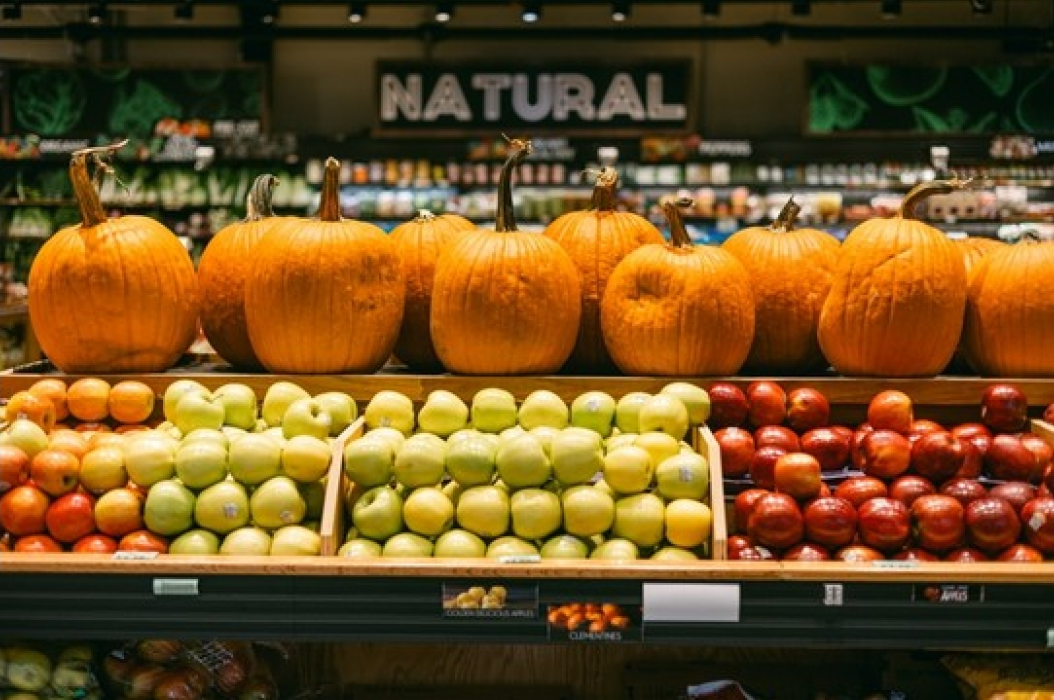
A clear omnichannel plan assigns each touchpoint a distinct role:
- Build awareness and consideration before the trip. Onsite display, sponsored product ads and offsite media can introduce the brand or product, support discovery and help place it in the shopper’s consideration set before they arrive at the store.
- Reinforce the message and prompt action in store. Digital screens, in-store audio and signage can carry that message into the aisle, helping shoppers recognize the product and act when they are closest to purchase.
- Sustain engagement after purchase. Post-purchase messaging and offers can reinforce the brand’s role in future occasions and help encourage repeat trips.
This approach creates continuity across the journey: the brand message shoppers see before the trip is reinforced where it matters most, near the point of purchase, and extended beyond the transaction. For advertisers, that means a more cohesive campaign in which each channel has a clear job to do. For shoppers, it creates a more intuitive path from inspiration to aisle to repeat purchase.
See how Danone brought this coordinated approach to life, connecting shopper engagement across the journey and carrying its message into the in-store moment of decision. Explore the case study to see how an omnichannel strategy can give each touchpoint a defined role while creating a more connected shopper experience.
Fall Visibility Builds Momentum for the Holidays
Fall is also the beginning of the most competitive stretch of the retail calendar. Brands that wait until the height of the holiday season may find themselves competing for attention when categories are already crowded and shopper habits are taking shape.
An earlier in-store presence can help brands establish relevance across the season. A campaign that begins with back-to-routine messaging can evolve into gameday, Halloween, Thanksgiving and holiday positioning while maintaining a consistent role in the shopper’s mind.
That continuity matters. It allows brands to build familiarity before the most important shopping occasions arrive and gives advertisers more opportunities to learn which messages, placements and seasonal connections resonate.
Kantar's 2025 fall retail pulse observed a related pattern at the shelf: Halloween sets appearing earlier in the season and blending with back-to-school and holiday merchandise, reflecting how retail seasons increasingly overlap. Kantar also notes that this earlier timing tends to go hand-in-hand with advance alignment across creative, packaging and logistics, planning that starts months ahead of the season.
Win the Season Closer to the Sale
Fall shoppers are navigating more occasions, more decisions and more demands on every trip. Brands that make those decisions easier have an opportunity to earn attention and a place in the basket.
In-store media brings advertising into the physical moment of choice. It connects seasonal relevance with product availability, helps brands stand out in a competitive environment and turns fall inspiration into immediate action.
Ready to reach Albertsons shoppers in-store? Let’s get started today!